E-cigarettes have surged in popularity over the past decade, with many users extolling the benefits of switching from traditional tobacco products to vaping. A common belief among some users is that e-cigarettes produce a harmless vapor composed primarily of water. However, examining the facts reveals a more complex and nuanced reality regarding e-cigarette vapor composition.
What Makes Up E-Cigarette Vapor?
The vapor produced by e-cigarettes is not simply water. It is primarily composed of a mixture of substances including propylene glycol, vegetable glycerin, nicotine, and often additional flavorings. Propylene glycol and vegetable glycerin serve as carriers to deliver nicotine or flavors to the user. These components are essential for creating the visible mist that resembles smoke.
Propylene Glycol and Vegetable Glycerin
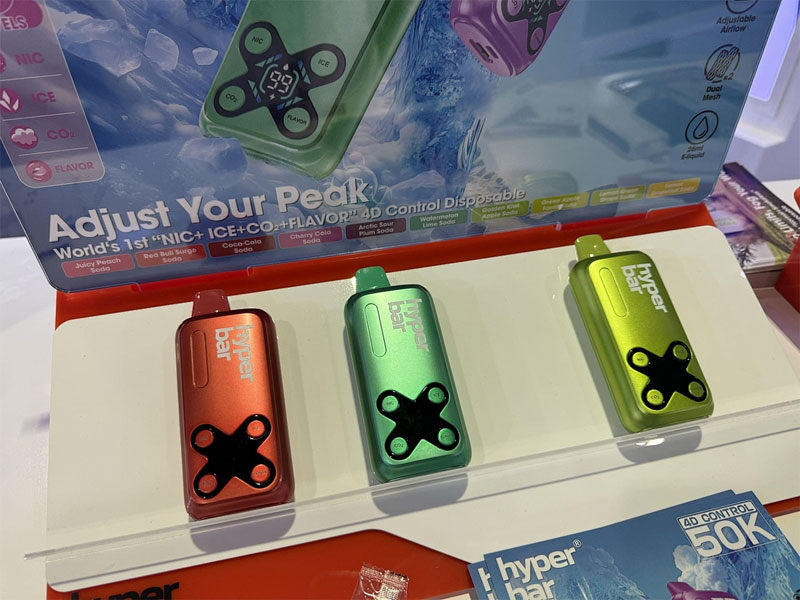

Propylene glycol is a synthetic liquid substance that absorbs water, commonly used in food and pharmaceutical products. It contributes to the throat hit that users experience, which imitates the sensation of smoking a traditional cigarette. Vegetable glycerin is a natural compound derived from vegetable oils. It provides a sweeter taste and thicker vapor cloud than propylene glycol, enhancing the vaping experience.
Nicotine
One of the primary reasons e-cigarettes are used is the delivery of nicotine. Levels of nicotine vary widely, allowing users to customize their experience based on preference and dependency. It’s essential to understand that nicotine is highly addictive, and while vaping may offer a less harmful way to consume it compared to smoking, addiction risks persist.
Flavorings
Another significant component of e-cigarette vapor is the flavor. From fruit to coffee to tobacco flavors, a vast array of options are available. These flavorings are added to make vaping more enjoyable for users. However, concerns have been raised about the long-term effects of inhaling these compounds, as their safety when vaporized and inhaled is not entirely understood.
Health Impact
Despite marketing claims that e-cigarettes provide a safe alternative to smoking, the reality of inhaling propylene glycol, vegetable glycerin, nicotine, and flavorings is not as innocuous as suggested. Studies are ongoing to understand fully the health impact of these substances. Initial research indicates that while vaping may reduce exposure to many harmful elements found in tobacco smoke, it is not devoid of risk. The long-term health effects, especially concerning respiratory function and heart health, remain the subject of scientific inquiry.


Environmental Considerations
Beyond personal health risks, vaping poses environmental concerns. E-cigarettes are often discarded improperly, contributing to electronic waste. The batteries used in these devices contain metals that can leach into soil and water if not recycled properly. Additionally, the production and disposal of vaping pods and e-liquids add to environmental burdens.
Conclusion
While e-cigarettes may eliminate exposure to the dangerous tar and numerous carcinogens found in traditional cigarettes, they are far from producing mere water vapor. The ingredients in e-cigarette vapor can have varying impacts on health and the environment. It’s crucial for users to remain informed and cautious, understanding what their e-cigarette is delivering with every puff.
Frequently Asked Questions
Is e-cigarette vapor safer than cigarette smoke?
While it generally contains fewer harmful chemicals than cigarette smoke, e-cigarette vapor still carries risks, particularly associated with nicotine addiction and potentially unknown effects of inhaling liquid flavorings.
Can e-cigarettes help you quit smoking?
E-cigarettes can serve as a tool for quitting smoking for some people; however, they are not officially endorsed as a cessation technique. Users should consult healthcare professionals for assistance.
What are the long-term effects of vaping?
Long-term effects of vaping are still being studied. Initial findings suggest potential impacts on lung health and cardiovascular function but require more extensive study over longer periods.