Can E-cigarettes Trigger Smoke Detectors?
With the increasing prevalence of electronic cigarettes, understanding their impact on smoke detectors is essential. As vaping becomes more mainstream, concerns arise about whether these devices can set off smoke alarms. This article delves into the mechanics of both electronic cigarettes and smoke detectors, exploring this potential interaction.

Understanding Smoke Detectors
There are two primary types of smoke detectors: ionization and photoelectric. Ionization detectors are sensitive to small smoke particles, typically those from fast-burning fires. On the other hand, photoelectric detectors excel at detecting larger smoke particles, commonly generated by smoldering fires.
How E-cigarettes Work
Electronic cigarettes, often called e-cigarettes, operate by heating a liquid solution (e-liquid) to create vapor. Unlike traditional cigarettes, they do not rely on combustion, meaning fewer smoke particles are released into the air.
Factors Affecting Smoke Detector Sensitivity
- Detector Type: Ionization alarms might be triggered by the mist from e-cigarettes more easily than photoelectric ones.
- Distance:
- The proximity of vaping to smoke detectors can influence the likelihood of activation.
- Density of Vapor:
- Heavy vaping sessions may produce enough vapor to mimic smoke particles.
It’s essential to consider these factors in environments where smoke detectors are installed. Understanding these helps navigate whether a smoke detector might be triggered during vaping.
The Science of Detection
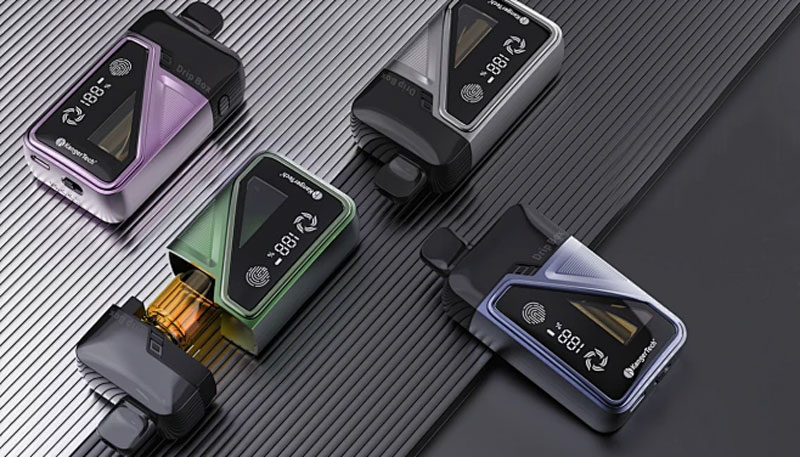
Vaping produces vapor, which contains propylene glycol and vegetable glycerin, both of which can create a visible light scatter that some smoke detectors are sensitive to. Despite lacking solid particles like traditional smoke, concentrated vapor can occasionally be large enough to disrupt a smoke detector’s function.
Preventive Measures
- Avoid vaping in proximity to smoke detectors.
- Ensure proper ventilation to dissipate vapor.
- Regularly check detector sensitivity settings.
These steps can significantly reduce the risk of unintended alarms during vaping.
Common Misconceptions
Some believe all smoke detectors react to vaping, which is not universally true. However, specific ionization models are more prone to false alarms from dense vapor concentrations.