The Common Ingredients in E-Cigarettes: What You Need to Know for Safer Vaping
As e-cigarettes become more popular, particularly among adults and younger generations, it’s increasingly important to understand the ingredients in e-cigarettes to make informed choices about vaping. Not only does this help consumers know what they’re inhaling, but greater awareness can also aid in identifying any potential health risks or side effects associated with certain compounds. In this comprehensive guide, we’ll delve into the major components, their functions, and what current research says about their safety effects.
Primary Ingredients Found in E-Cigarettes
- Propylene Glycol (PG):
 This is a synthetic liquid substance that absorbs water and is commonly used as the base liquid in many e-cigarettes. It’s favored for its ability to carry flavors and produce a throat hit similar to traditional tobacco smoking. While PG is labeled safe for consumption by the FDA when eaten or used in pharmaceuticals, inhaling aerosolized PG can occasionally cause throat irritation or allergic responses in sensitive users.
 - Vegetable Glycerin (VG): Derived from plant oils, VG is thicker and produces denser vapor. This ingredient is generally regarded as safe in food and personal care products, but again, the long-term impacts of inhaling VG are still under study. Higher VG content in an e-liquid provides a smoother hit and bigger clouds — an attractive feature for many users.
- Nicotine: Nicotine is the addictive substance typically found in tobacco. E-cigarettes provide customizable nicotine strengths, allowing users to adjust their intake. Interestingly, some vape juices are nicotine-free, which appeals to users who wish to avoid addiction. However, nicotine itself is a stimulant that can affect heart rate, blood pressure, and neurological development, especially in adolescents.
- Flavorings: Arguably the most diverse aspect of vaping, flavorings set apart different e-liquids. These are usually food-grade additives, but when heated and inhaled, certain flavoring chemicals (like diacetyl, used for buttery flavors) can pose unexpected risks. Because the vaping industry is new, ingredient transparency and safety testing for inhalation are still developing fields.
Additional Substances Commonly Present
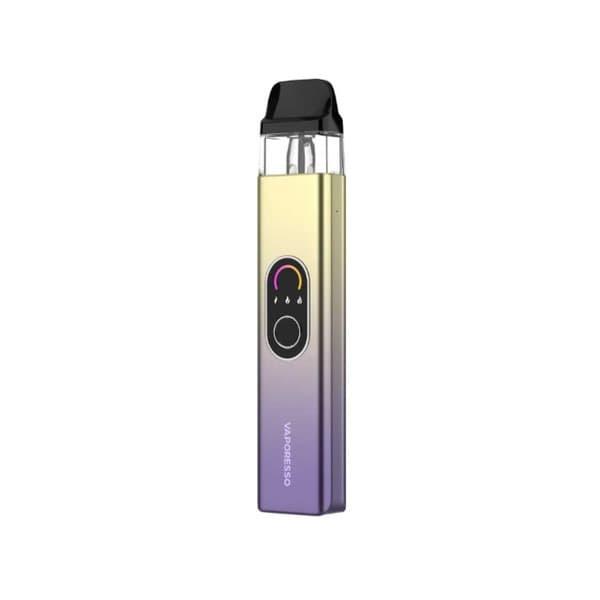
Apart from the primary ingredients in e-cigarettes, there may be minor or trace substances present in certain products:
- Water and Alcohol: Some e-liquids contain small amounts of distilled water or ethyl alcohol to thin the solution or enhance flavor delivery. These are generally in low concentrations and don’t usually pose added risks.
- Chemical Byproducts: When e-liquids are heated, chemical reactions can create new compounds such as formaldehyde or acetaldehyde, both of which are known toxins at higher exposures. The quantity and nature of byproducts depend heavily on device settings and how users take puffs.
- Tiny amounts of contaminants: In rare cases, poor manufacturing practices may introduce trace metals (like lead or nickel) and other impurities. This is an evolving area of concern that underscores the importance of buying regulated, high-quality products.
How Vaping Ingredients May Impact Your Health
While most ingredients in e-cigarettes including PG, VG, and most flavorings are considered safe for ingestion, their effects when inhaled are still not fully understood. Research indicates that frequent or high-intensity vaping could cause respiratory irritation, allergic reactions, or in rare cases, severe lung injury (such as EVALI — E-cigarette or Vaping Use-associated Lung Injury). Nicotine, regardless of the delivery system, remains habit-forming and is particularly hazardous for young people, pregnant users, and individuals with certain medical conditions.
Choosing the Safest Ingredients in E-Cigarettes
For those interested in reducing risk while vaping, consider the following tips:
- Opt for reputable brands with clear ingredient lists and third-party lab testing.
- Choose unflavored or simple flavors, as complex profiles are more likely to contain a range of less-tested chemicals.
- If possible, use lower-nicotine or nicotine-free products.
- Avoid modifying or “DIY” mixing, which can increase the risk of unsafe chemical combinations.


Latest Research and Industry Updates
Ongoing scientific studies are shedding new light on how ingredients in e-cigarettes interact with the human respiratory system. Regulatory bodies in many countries are working to standardize formulations, improve label accuracy, and monitor for potential contaminants. Consumers should stay updated by reviewing trustworthy sources and following recommendations from leading public health organizations.
Conclusion
Knowing what’s inside your vape device is crucial for making informed decisions. Most ingredients in e-cigarettes are widely used in other products, but vaping them is a new method with unique considerations. Prioritize safety by making educated choices and stay alert for updates as the scientific community and regulators continue their work.
Frequently Asked Questions (FAQ)
- Are all e-cigarette ingredients safe to inhale?
- Most base ingredients are recognized as safe for ingestion, but inhalation may pose different risks. Some flavorings and byproducts have shown toxic effects when vaporized. Always check for reputable lab testing on your chosen products.
- What should I avoid in vape liquids?
- Steer clear of products that don’t specify their ingredients or include substances like diacetyl, vitamin E acetate, or unknown additives. Opt for regulated brands with transparent labels.
- Can I find e-cigarettes without nicotine?
- Yes, many e-liquids are available in nicotine-free versions for those who want the physical experience of vaping without the addictive component.