The Core Elements of E-Cigarettes
Essentially, e-cigarettes consist of several parts: a battery, an atomizer, and a cartridge filled with e-liquid. The battery powers the device and is typically lithium-ion based for efficiency. The atomizer heats the e-liquid, allowing it to evaporate and be inhaled. The cartridge, sometimes referred to as a tank, holds the liquid nicotine solution.
Decoding E-liquid Ingredients
The e-liquid is a mixture of various substances. Most commonly, it contains nicotine, flavorings, and chemicals such as propylene glycol and vegetable glycerin, which serve as carriers for nicotine and flavors. Nicotine is the addictive substance also found in traditional cigarettes.
Flavorings allow manufacturers to offer a wide range of options, from fruit to dessert flavors, to cater to diverse consumer tastes.
Propylene glycol and vegetable glycerin contribute to the vapor production and are generally considered safe for consumption. However, ongoing research questions their long-term inhalation effects.
Potential Health Implications
While proponents argue that e-cigarettes are less harmful than traditional smoking, it is important to highlight that nicotine is still an addictive substance affecting cardiovascular and neurological health. Moreover, some flavoring agents might become toxic when heated to high temperatures.
- Polycyclic aromatic hydrocarbons and volatile organic compounds may be released as gaseous byproducts during vaping.
- Heavy metals such as cadmium and lead have been detected in some e-cigarette aerosols.
Another concern is the risk of e-cigarette batteries malfunctioning, leading to potential physical injuries.
Environmental ImpactBeyond the health ramifications, e-cigarettes pose environmental challenges. Improper disposal of batteries and the non-biodegradable plastics used in certain components contribute to ecological concerns. Encouraging proper disposal methods is essential.
Research Continues
While e-cigarettes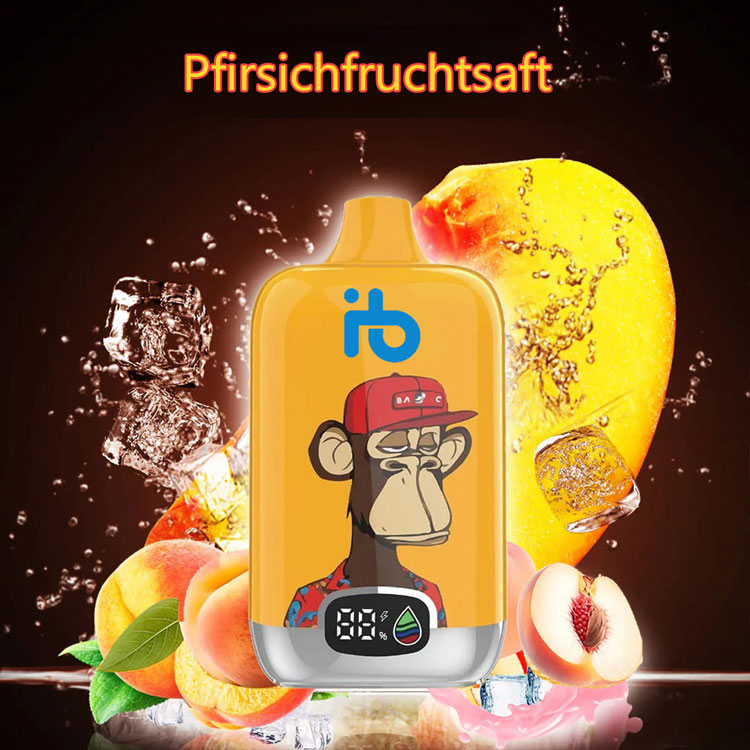 are marketed as a safer alternative, the long-term effects are still under scrutiny. Continuous research aims to provide consumers with updated findings and more comprehensive data on the safety and effects.

FAQ
Are e-cigarettes safer than regular cigarettes?
They are generally considered less harmful because they do not combust tobacco; however, they still deliver nicotine and other potentially harmful substances.
Can e-cigarettes help quit smoking?
Some smokers have used e-cigarettes as a tool to reduce and eventually quit smoking, though results vary.
Do e-cigarettes produce secondhand smoke?
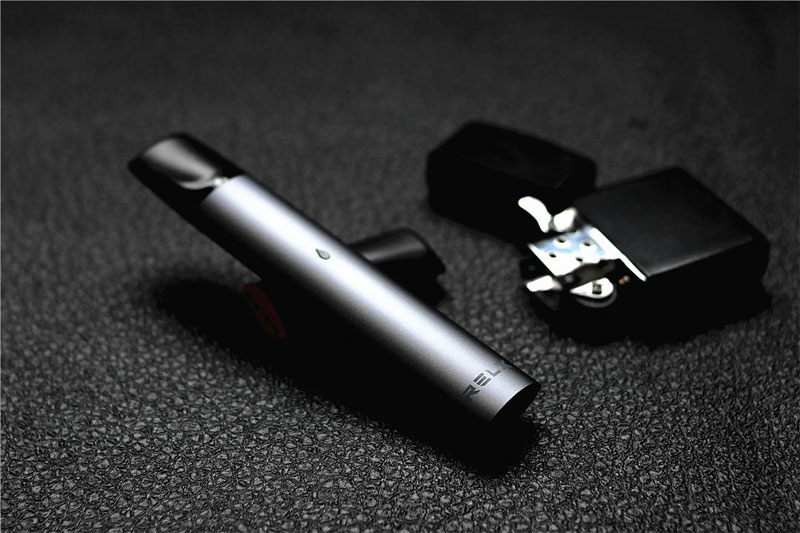
They emit vapor rather than smoke, reducing but not eliminating exposure to harmful substances.