Pregnancy is an incredibly delicate time, with expectant mothers facing many health considerations. One of these vital concerns is the impact of smoking e-cigarettes during pregnancy. While e-cigarettes are often marketed as a safer alternative to traditional tobacco products, their effects on pregnant women and developing fetuses warrant close examination.
What are E-cigarettes?
E-cigarettes, also known as vapes, are battery-operated devices designed to deliver nicotine, flavorings, and other chemicals by heating a liquid into an aerosol. Unlike traditional cigarettes, they do not rely on combustion, boasting safer attributes. However, nicotine exposure remains a significant risk factor that cannot be overlooked, especially during pregnancy. Smoking e-cigarettes while pregnant can have unforeseen consequences on fetal development and maternal health.
Risks Associated with Nicotine Exposure
The main ingredient in e-cigarettes that poses problems during pregnancy is nicotine—a highly addictive substance known to traverse the placental barrier and affect fetal development. Evidence suggests that prenatal nicotine exposure contributes to issues such as premature birth, low birth weight, and congenital disabilities. Additionally, potential long-term impacts on the child’s neurodevelopment are a cause for concern when considering the use of e-cigarettes while expecting.
E-cigarettes vs. Traditional Cigarettes
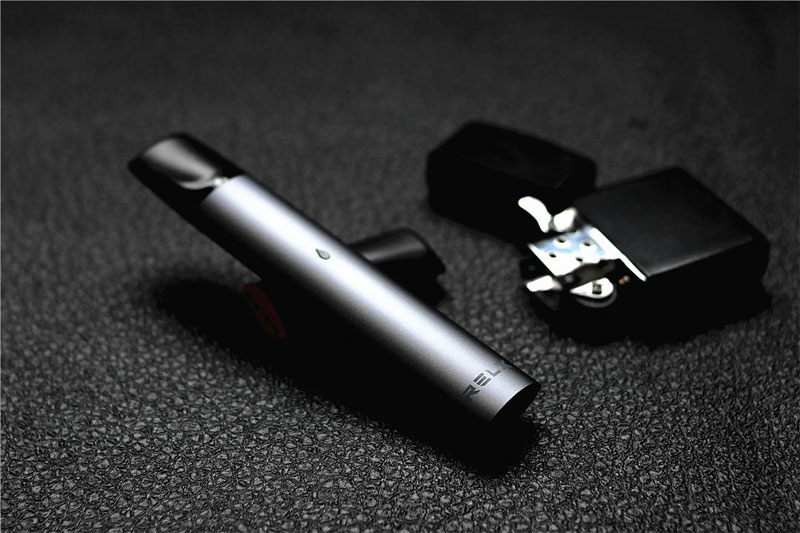
Many women switch to vaping during pregnancy, believing it to be a safer alternative to smoking cigarettes. While it is true that e-cigarettes contain fewer toxic substances, the risks remain, predominantly due to ongoing nicotine exposure. Moreover, the variety of chemicals in e-liquids, including solvents and flavoring agents, have not been thoroughly studied for their effects on pregnancy, raising questions about their safety.
Beyond Nicotine: E-cigarette Ingredients
Apart from nicotine, e-cigarettes contain various chemicals and flavorings that may have adverse effects on pregnancy. These liquids often contain propylene glycol and glycerin, substances that may pose health risks for both the mother and the developing fetus. Furthermore, flavorings, some of which are approved for ingestion in foods, might not be safe for inhalation, highlighting the critical difference between consuming and inhaling substances.
Smoking e-cigarettes during pregnancy, therefore, involves unpredictable risks that deserve careful consideration. It remains essential to prioritize prenatal health by avoiding all forms of nicotine exposure, ensuring the best possible outcomes for both mother and baby.
Smoke-Free Alternatives and Support
Expectant mothers seeking to quit smoking entirely have various support options. Prenatal healthcare providers can offer guidance and suggestions for nicotine replacement therapy (NRT) and resources tailored for pregnant women. Utilizing behavioral support services can also significantly enhance quit rates and ensure healthier pregnancies.
Consulting with Healthcare Professionals
It’s crucial for pregnant women considering smoking cessation methods to communicate with their healthcare providers. They can offer personalized advice and support, taking into account both the mother’s and the baby’s health needs. By working collaboratively, expectant mothers can find effective strategies to manage withdrawal symptoms and quit smoking.
Frequently Asked Questions
Can I use e-cigarettes as a step-down strategy during pregnancy?
While using e-cigarettes as a step-down approach could theoretically reduce harmful substance intake compared to traditional smoking, it is not devoid of risk. Nicotine exposure from any source is hazardous during pregnancy, so it’s crucial to consult with a healthcare provider about safer cessation methods.

Are non-nicotine e-cigarettes safe during pregnancy?
Non-nicotine e-cigarettes also contain various chemicals whose effects on fetal development are not fully understood. The lack of comprehensive studies means there is no definitive answer. However, avoiding inhalation of any foreign substances during pregnancy is generally prudent.
What should I do if I cannot quit smoking during pregnancy?
If quitting is challenging, seek help from your healthcare provider. They can recommend support groups, counseling, and possibly safer NRT options to help manage addiction and promote a healthier pregnancy.