what is in an e-cigarette and what they are truly inhaling. This article aims to demystify the components of e-cigarettes and explore their potential effects on health.
The Core Components of E-Cigarettes
E-cigarettes are electronic devices designed to deliver nicotine in a manner that resembles smoking. They generally consist of a few primary components: a battery, an atomizer, and a cartridge or tank. The e-liquid or vape juice housed in the tank is heated by the atomizer to create an aerosol, commonly referred to as vapor.
Examining the E-Liquid
The e-liquid is a crucial element of e-cigarettes. It usually contains four main ingredients:
- Propylene Glycol (PG)
- Vegetable Glycerin (VG)
- Nicotine
- Flavorings
Propylene Glycol and Vegetable Glycerin
Both PG and VG are commonly used as base liquids in e-liquids. Propylene Glycol is a colorless liquid that offers a smoother throat hit and is also used in food processing. On the other hand, Vegetable Glycerin provides a sweeter taste and thicker vapor, making it a popular choice for cloud chasers.
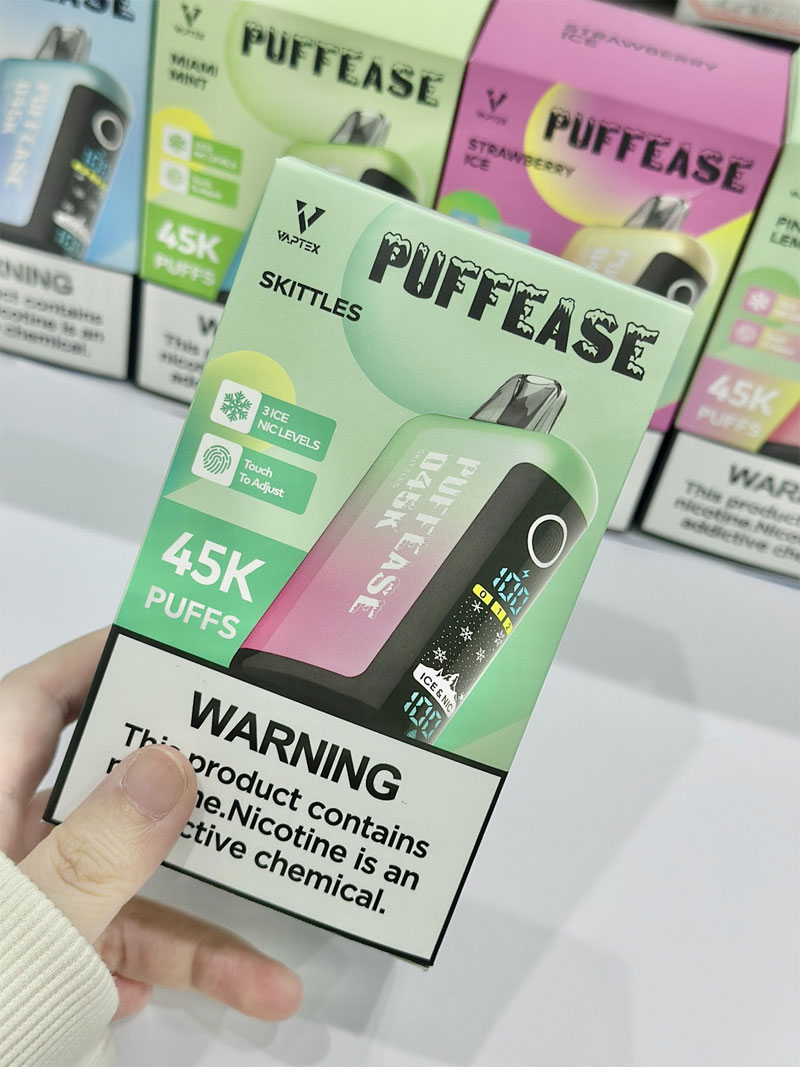
The Role of Nicotine
One of the primary reasons people switch to e-cigarettes is for their nicotine content. The nicotine level in e-cigarettes can be adjusted or even removed, offering options for people looking to reduce their intake. However, it’s important to note that nicotine is an addictive substance, and its health effects are significant.
Intriguing Flavor Profiles
Flavorings are perhaps the most enticing part of the e-cigarette experience, with a wide variety of options from traditional tobacco to exotic fruits and desserts. These flavors are formulated using food-grade ingredients, but their long-term impact when inhaled remains under study.
Potential Health Implications
While marketed as a safer alternative to smoking, e-cigarettes are not without risks. The health effects of inhaling the ingredients found in e-cigarettes are still being researched. Propylene Glycol and Vegetable Glycerin are “generally recognized as safe” by regulatory agencies for oral consumption but their safety with long-term inhalation is less certain.
Uncovering the Risks
One of the significant concerns is the presence of harmful substances found in some e-cigarettes. Studies have shown that some devices may emit toxins such as formaldehyde and acetaldehyde, which are known carcinogens. Though e-cigarettes usually contain fewer harmful chemicals than regular cigarettes, these compounds can still pose health risks.
Making Informed Choices
As e-cigarettes continue to evolve, it’s essential to stay informed about what you’re inhaling. Understanding the composition of e-cigarette liquids can help you make better choices and weigh the risks and benefits. Consider consulting healthcare professionals for advice tailored to your specific needs.
FAQs About E-Cigarettes
- Q: What are the primary components of an e-cigarette?
- A: E-cigarettes mainly consist of a battery, an atomizer, and a tank. They utilize e-liquids, which generally contain Propylene Glycol, Vegetable Glycerin, nicotine, and flavorings.
- Q: Are e-cigarettes safer than traditional cigarettes?
- A: While e-cigarettes generally contain fewer harmful chemicals than traditional cigarettes, they are not without risk. Certain studies suggest that they may release toxic substances. Always consider the potential health implications.
- Q: Can one become addicted to e-cigarettes?
- A: Yes, the nicotine content in e-cigarettes is addictive, similar to traditional cigarettes, and caution is advised for users seeking to manage or reduce nicotine dependence.